What’s a Rich Text element?
The rich text element allows you to create and format headings, paragraphs, blockquotes, images, and video all in one place instead of having to add and format them individually. Just double-click and easily create content.
Static and dynamic content editing
A rich text element can be used with static or dynamic content. For static content, just drop it into any page and begin editing. For dynamic content, add a rich text field to any collection and then connect a rich text element to that field in the settings panel. Voila!
How to customize formatting for each rich text
Headings, paragraphs, blockquotes, figures, images, and figure captions can all be styled after a class is added to the rich text element using the "When inside of" nested selector system.
- This is a list item
- Another list item
- Numbered item
- Another numbered item
Some link
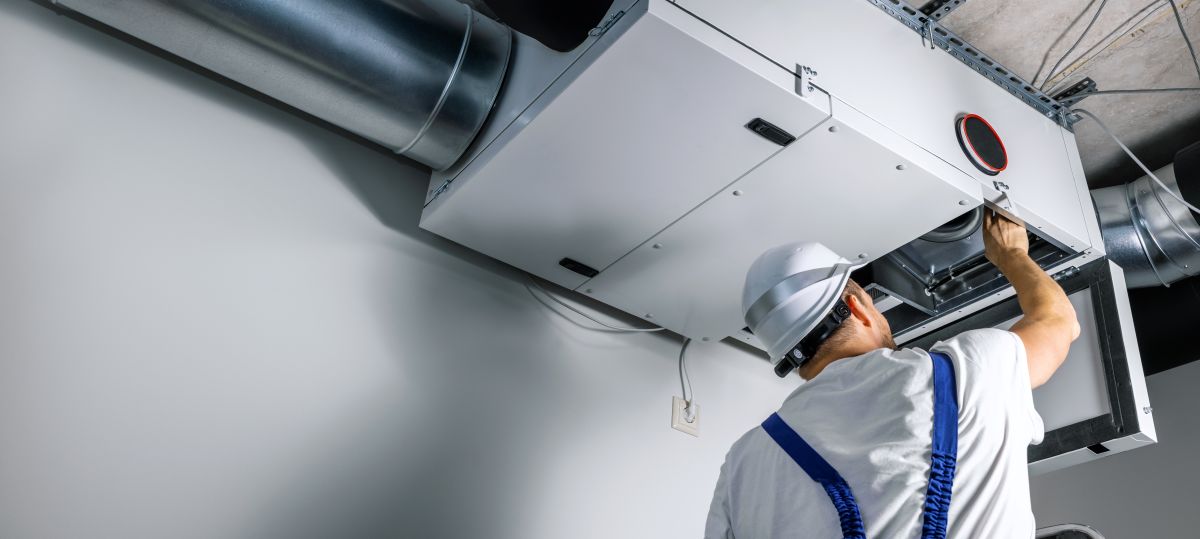
A common deficiency that healthcare facilities continue to struggle with happens above the ceiling. Why do healthcare facilities struggle with this? In most cases, it is because there is no control over who is doing work above the ceilings. If you have never looked above the ceiling in a healthcare organization, I recommend you do it some time. It is amazing the number of items that are located just above your head. Here are just a few of the items you will see:
- Wires – Fire alarm system, telemetry, WiFi, security systems, etc.
- Fire Sprinkler Piping
- Medical Gas Piping
- Electrical Conduits
- HVAC Ductwork
The issue with all the different types of items located above the ceiling is that a lot of times it is different professionals who work with each type of system. Therefore, the organization has a lot of different people performing work. Everything looks good when a brand-new building is built. The issues start occurring as time goes on and new items are added. There are multiple people working and the problems arise when facilities staff are not aware of who is doing what.
The issues that arise when work is being performed are:
- Unsealed penetrations
- Different types of fireproofing material being used
- Wires being supported on sprinkler piping
- Junction boxes not being covered
- Wires going through items where they are not permitted
- Construction debris left behind
- Abandoned materials left in place
The question becomes; how does a healthcare facility manage this? The best way to do this is by implementing an above the ceiling permit process. The first step to implementing this is to develop a policy. The policy will be the playbook for the organization and for any contractor, subcontractor, vendor or non-engineering hospital to abide by. Here is a list of the basic elements of an above the ceiling policy:
Responsibility
- The healthcare facility engineering departments (or whatever name you have designated the department) will be responsible for issuing the above the ceiling permits.
- The healthcare facility engineering department will be responsible for the monitoring and inspection of all completed work before the permit can be closed out.
- A pre and post inspection will be performed as part of the permitting process.
- Enforcement of the permit process. If anyone is found performing work without a permit, there should be a disciplinary process implemented.
- Contractors, subcontractors, vendors, and non-engineering hospital staff
- Each group/individual will be responsible for obtaining an above the ceiling permit. This will be obtained from the healthcare facility engineering department.
- This group will be responsible for adherence to all applicable codes and standards.
- As an added insurance for this group, it is recommended, if not required by the healthcare facility, that an inspection of the area where the work will be conducted be performed. This way it is obvious to both parties what the location looked like before the work started.
- While work is being performed in the permitted location, observe and report any issues identified. For example, any unprotected openings in rated or non-rated walls, floors, ceilings, and/or smoke barriers.
Procedure
- Obtaining the permit
- All contractors, subcontractors, vendors and non-engineering staff will need to schedule an initial meeting with the healthcare facility engineering department before a permit can be issued.
- The policy should address when a permit may not be required (i.e., in an emergency situation). In this case, a permit may be necessary after the emergency is corrected (maybe the next day).
- Some hospitals may elect to identify certain individuals who are responsible for the issuance of the permit. In this case, the policy should identify who this individual or individuals are. For organizations that may have multiple campuses, it is recommended to have individuals who are assigned to that location be responsible for the permit process.
- A copy of the policy should be given to the individual who is requesting the permit. Have them sign off that they received and accepted it so that there is no question should any issues arise.
- Make sure that the individuals who are performing work are qualified and/or licensed to do so. For example, if fire walls are being penetrated, it is a good idea to have a certified individual in firestopping to perform the work.
- Provide a copy of the life safety drawings for the location where the work will be performed. This will be used to review and document where the work is being performed and will be a part of the permitting documentation. The organization should include as much information as they deem necessary to ensure the correct work is being performed in the correct location.
- The healthcare facility will determine where the workers will post the permit while work is being performed. For example, it could be attached to the ceiling or a ladder. The workers will be required to provide the permit upon request.
Performing work above the ceiling
- Take the opportunity to utilize the contractors, subcontractors, vendors and non-engineering staff to perform inspections while they are working above the ceiling. Have them report any deficiencies they see to the healthcare facility engineering department. They should not be required to correct any deficiencies. Healthcare facilities could possibly consider an incentive program for identifying any deficiencies.
- When penetrations are made only approved and listed materials and methods are permitted to be utilized. The workers should provide you documentation of the product they are using.
- If any addition, modification, or removal of an electrical circuit, ensure that the electrical panel schedule is updated. This should be part of the permitting process.
- The workers will need to understand that at no time are wires or any other material permitted to be left on any fire sprinkler system piping or components.
Closing out of the permit
- Upon completion of the work, a request will be made by the contractor, subcontractor, vendor or non-engineering staff. The request will be made for a final inspection of the work that was conducted per the permit. The inspection should be performed with both the worker and the hospital engineering staff. Once both parties agree to the work being performed according to the permit and policy requirements, then the permit should be signed.
- If there were any issues identified during the final inspection those issues must be resolved before the final permit is signed.
This is a process that has been proven to work when it is implemented correctly and followed through. If your organization struggles with issues like these during your surveys or internal inspections, it is recommended to implement an above the ceiling permitting process.
Learn More:
*Above Ceiling Permit Manager application by Soleran Healthcare.
Keep your hospital’s “hidden” spaces from becoming hidden risks. This post breaks down why above-ceiling work can jeopardize life safety and compliance—and how a simple, structured above-ceiling permit process helps you control contractors, prevent deficiencies, and stay survey-ready.
About the author

William Kinch
MHA, HACP Senior Facilities Specialist at Center for Improvement in Healthcare Quality (CIHQ)
CIHQ - Center for Improvement in Healthcare Quality
William (Billy) Kinch is the Senior Facilities Specialist at Center for Improvement in Healthcare Quality. He has been with the company since 2014, and is responsible for conducting CMS accreditation surveys and inspecting healthcare compliance to the Care Environment (CE), including the Life Safety Code, and Emergency Preparedness (EP) standards. Billy recently helped to develop CIHQ’ s Healthcare Accreditation Certified Professional in the Physical Environment (HACP-PE) certification program. Billy has worked in healthcare for over 20 years. Prior to joining CIHQ, he served as the Safety Officer and Disaster Preparedness Coordinator in a hospital where his duties included maintaining compliance to regulations related to the Physical Environment, Life Safety, Emergency Preparedness, OSHA, EPA, and other safety/security regulations. Billy has a Master’s in Healthcare Administration and a Bachelor’s in Education. His combined education and experience allow him to demonstrate to his colleagues, hospital leadership, and Quality/Safety administrators that he understands the where, why, and how facilities meet or exceed CMS standards.


.svg)
.svg)
.png)



.jpg)
.jpg)


.svg)


